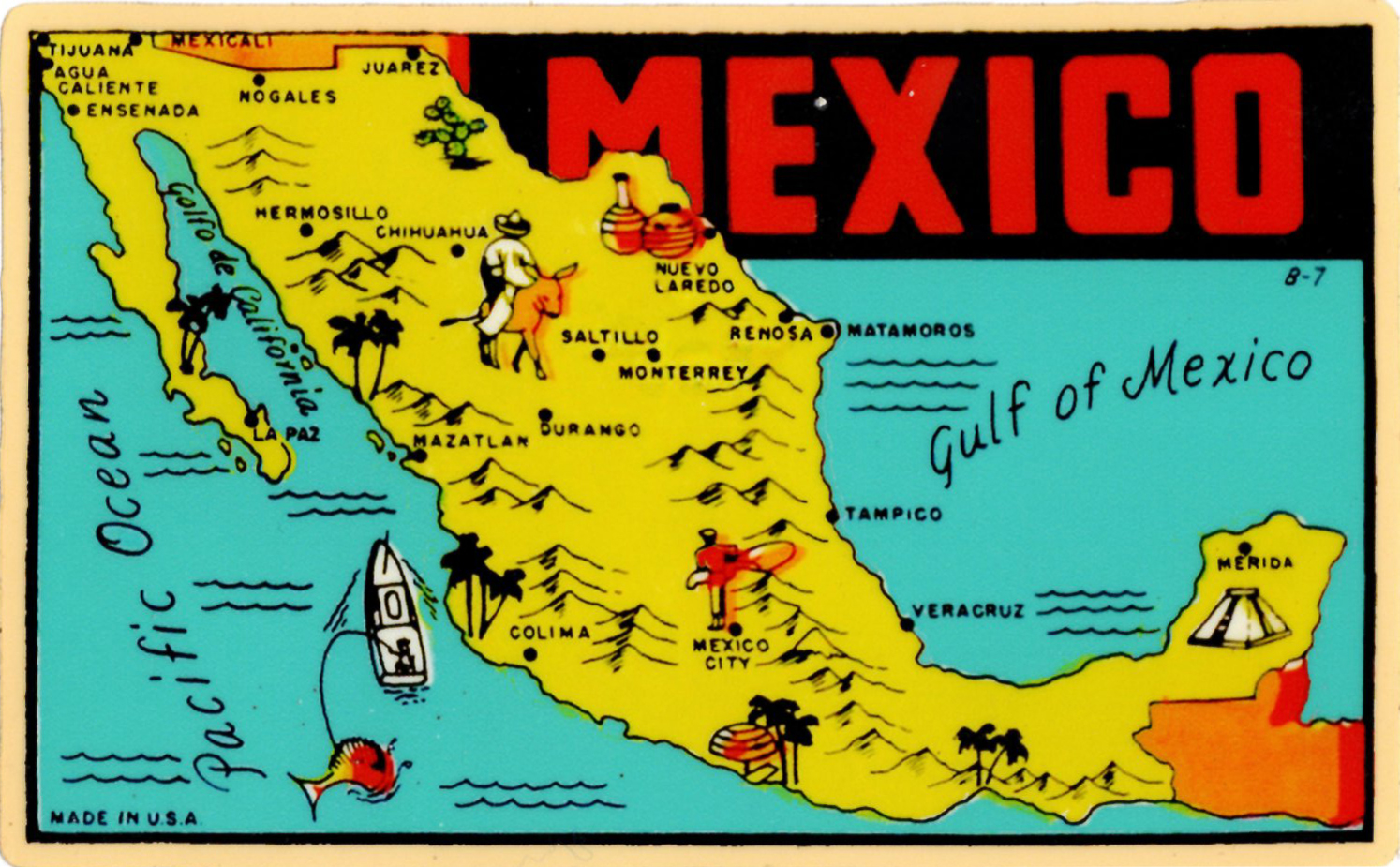
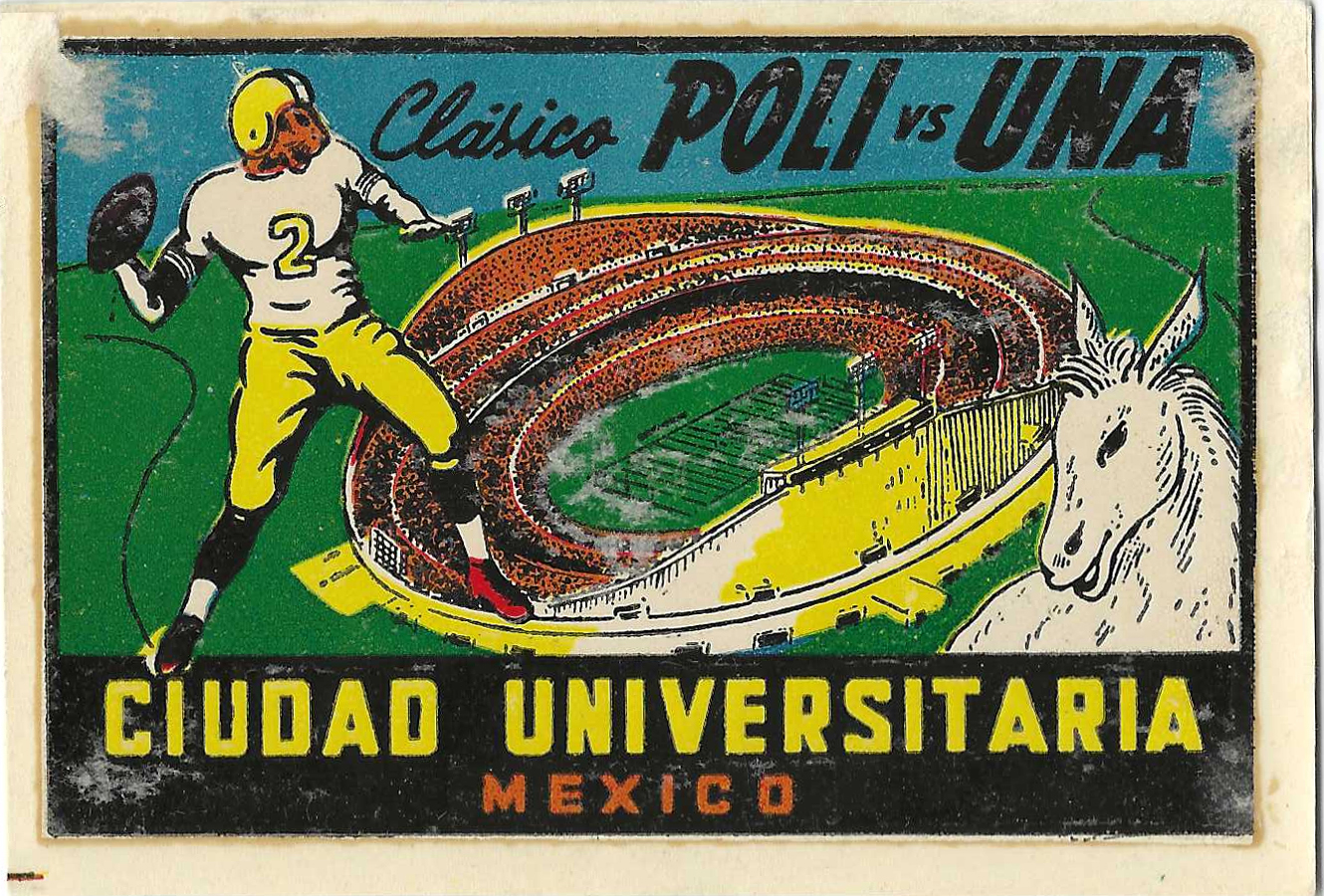
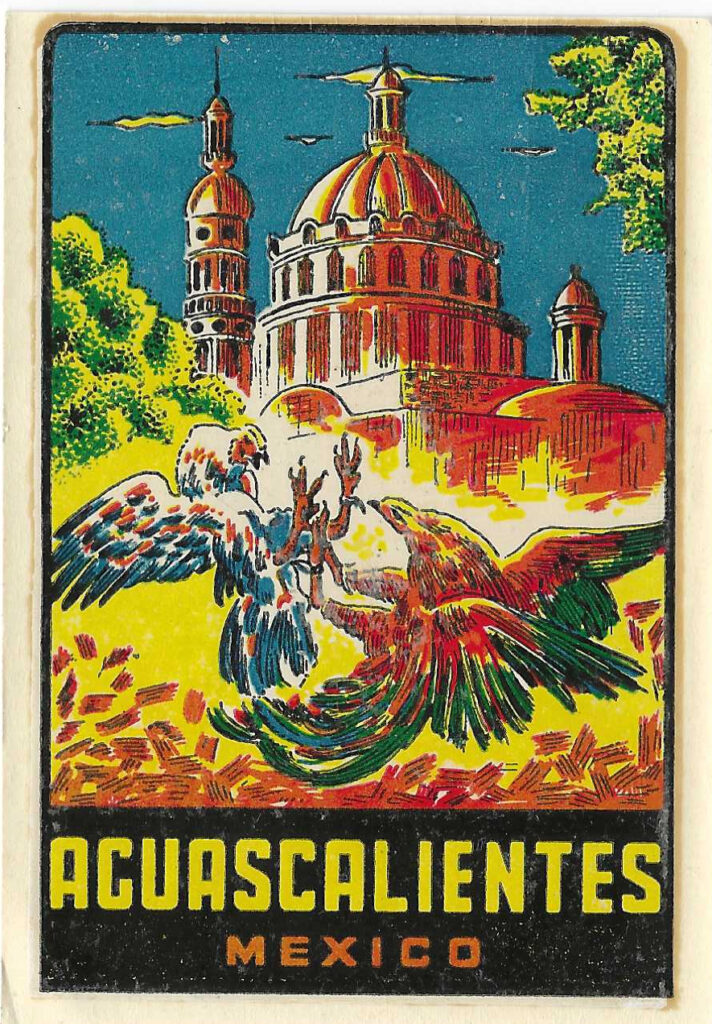
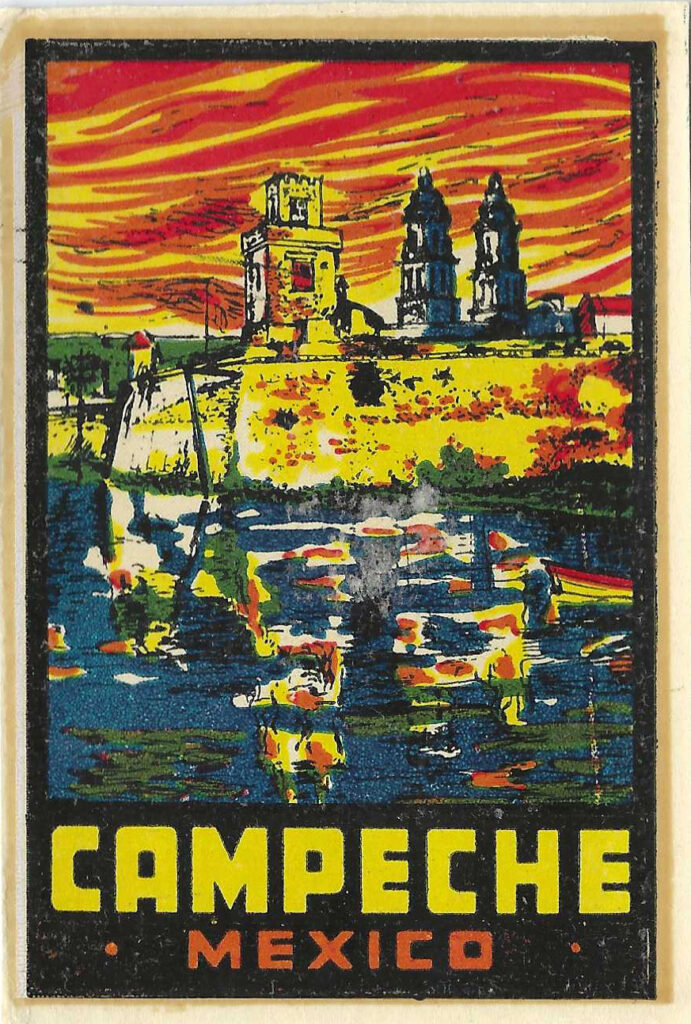
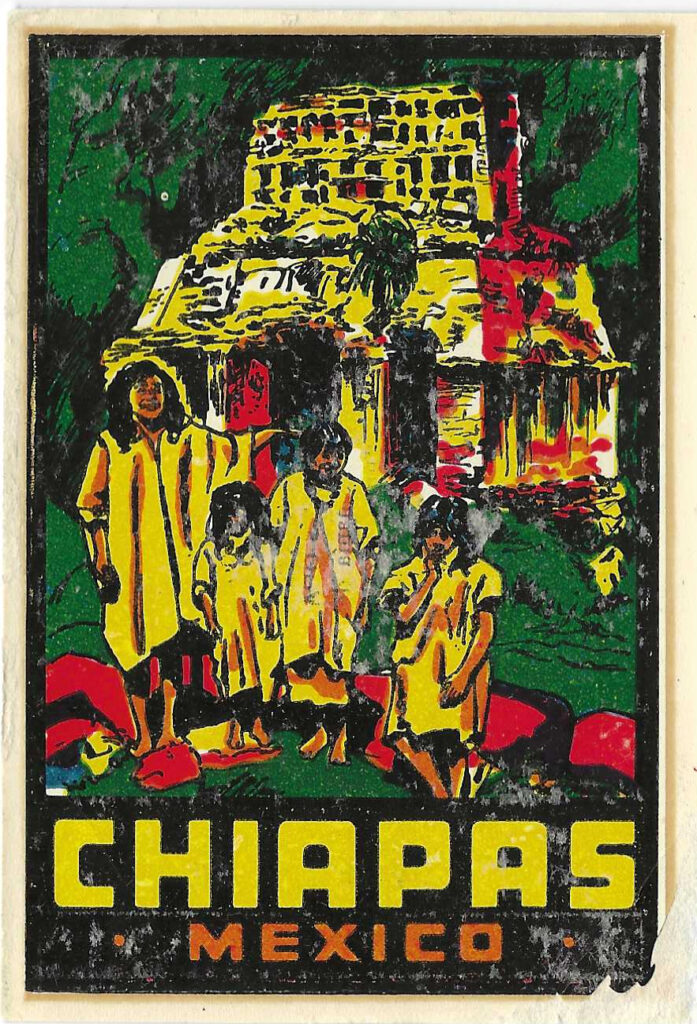
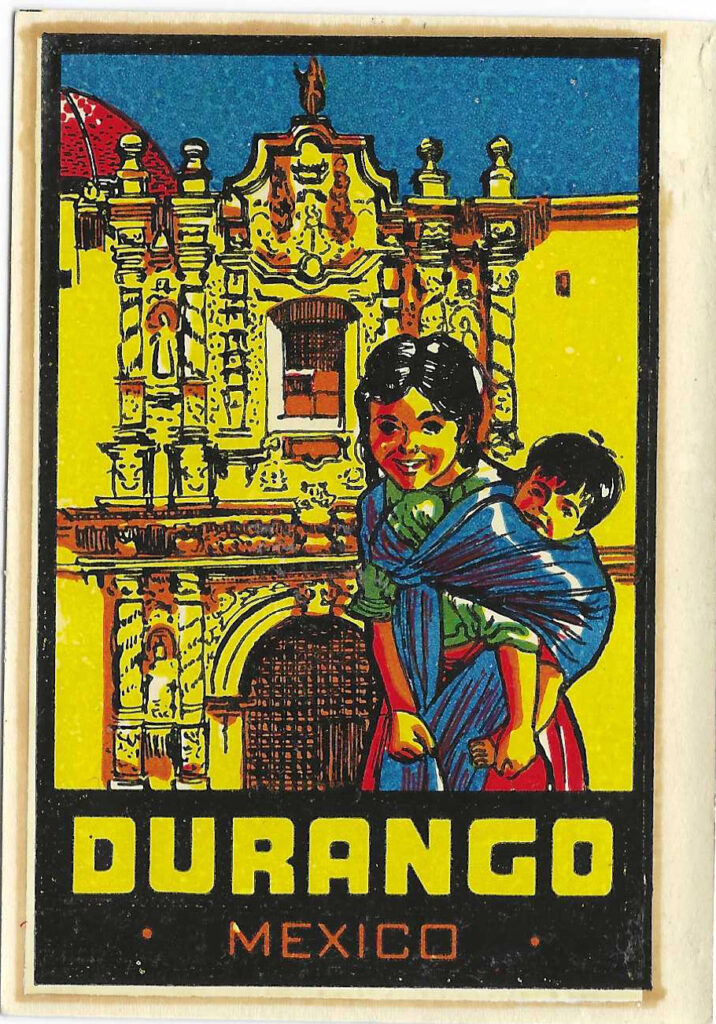
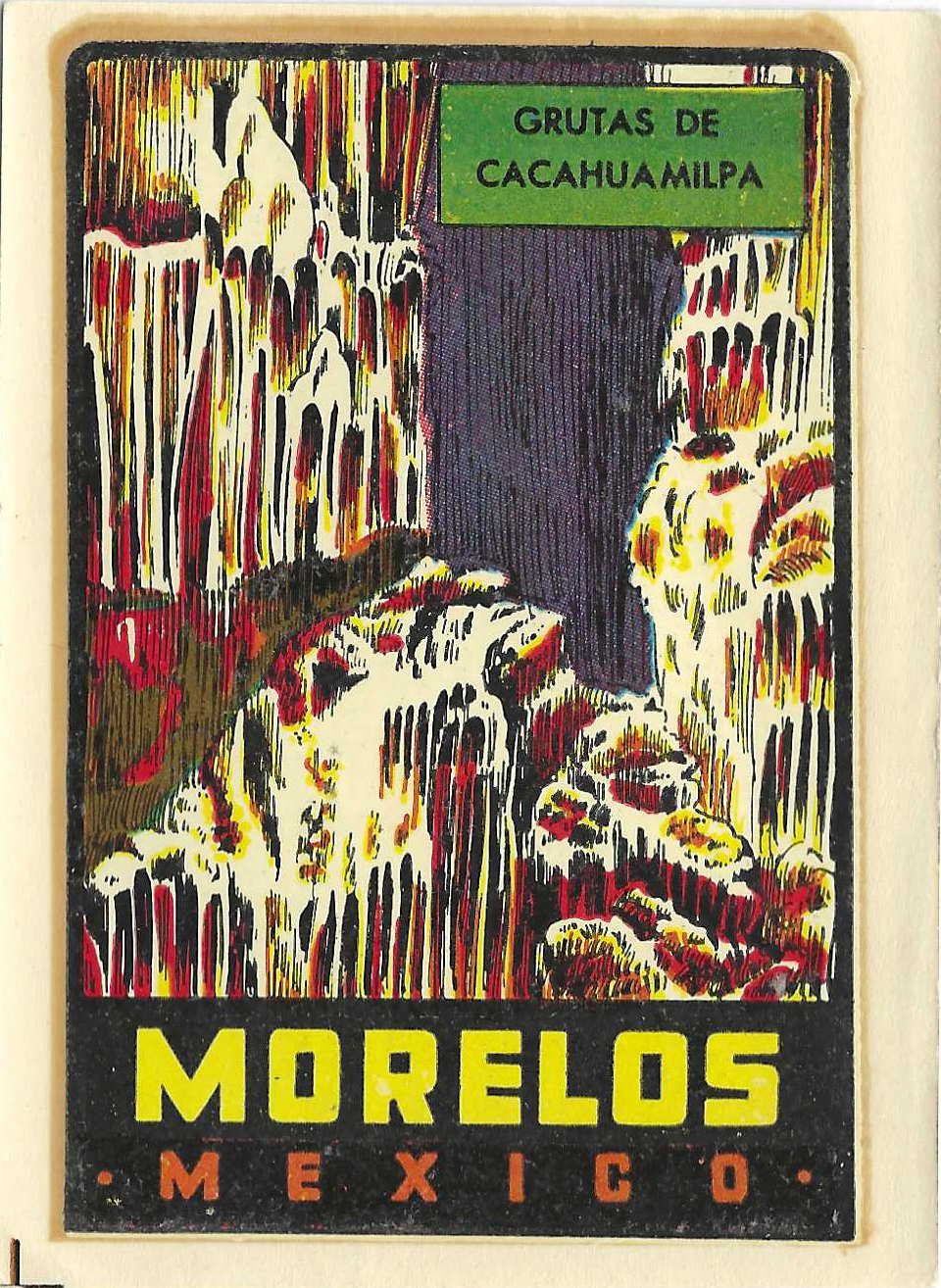
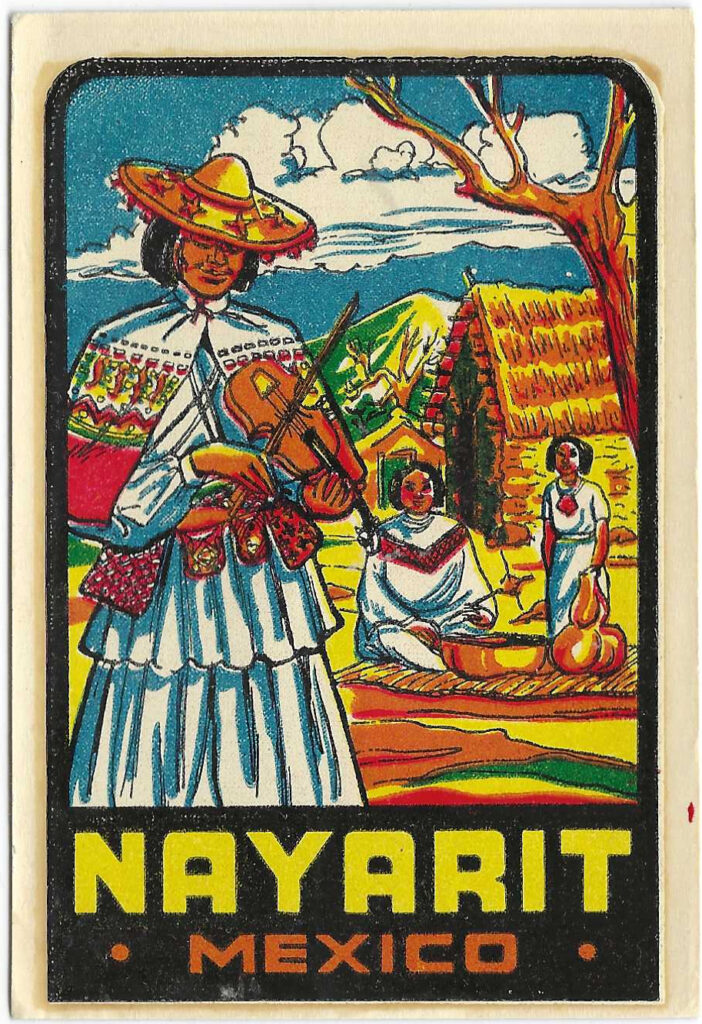
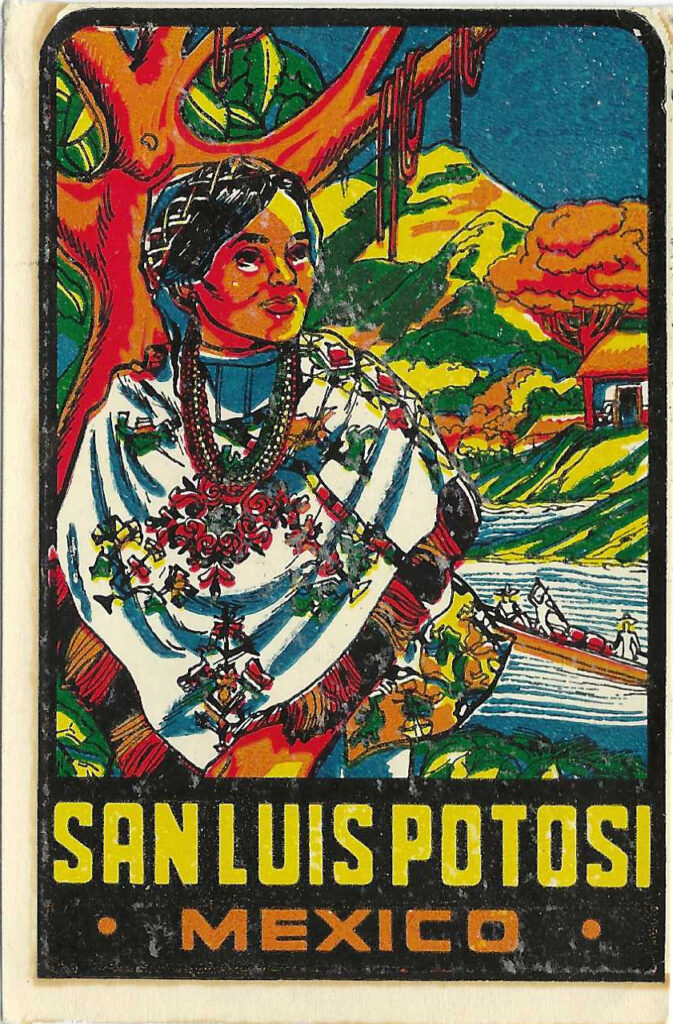
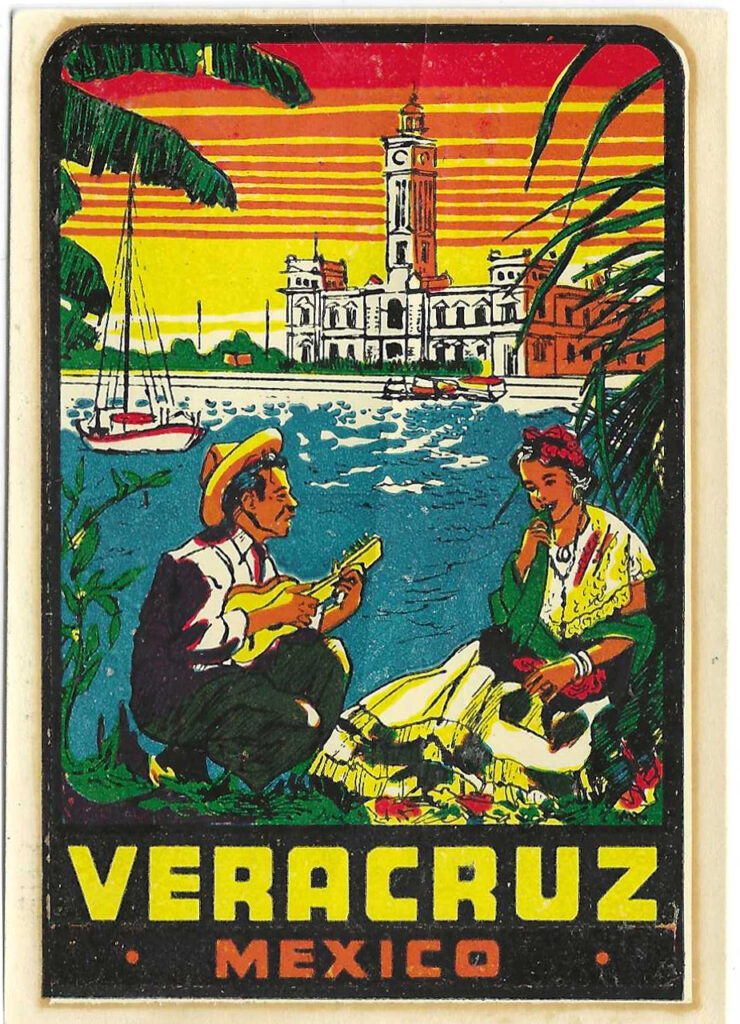
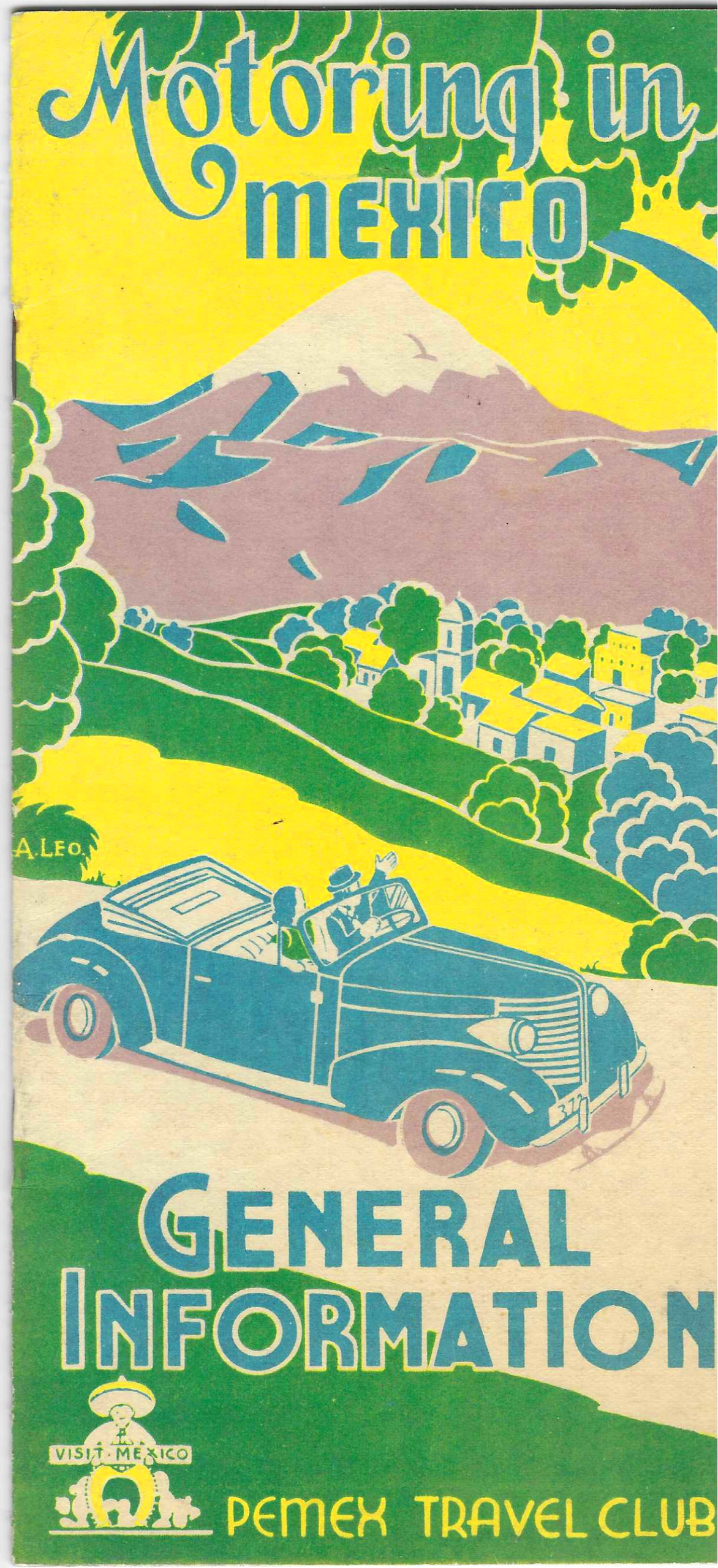
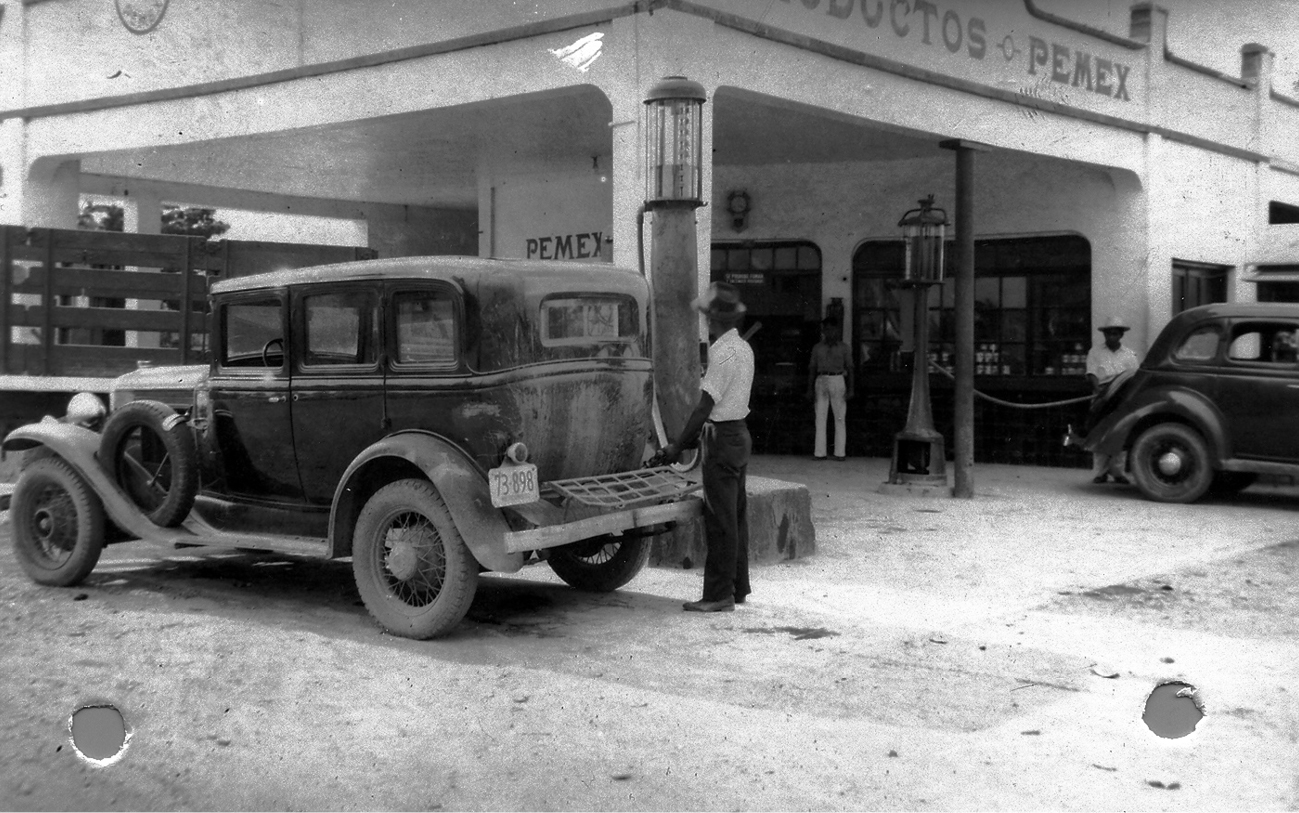
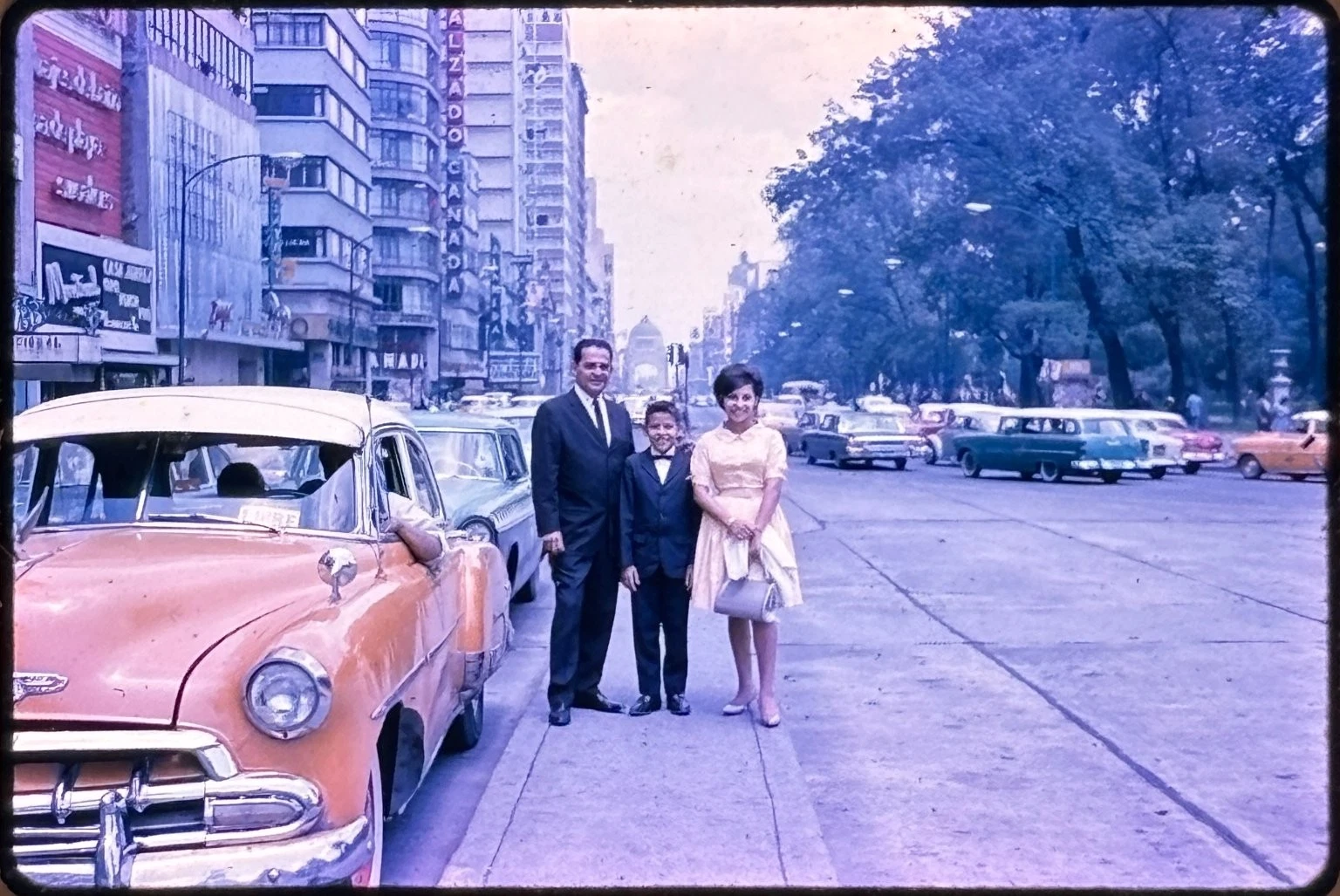
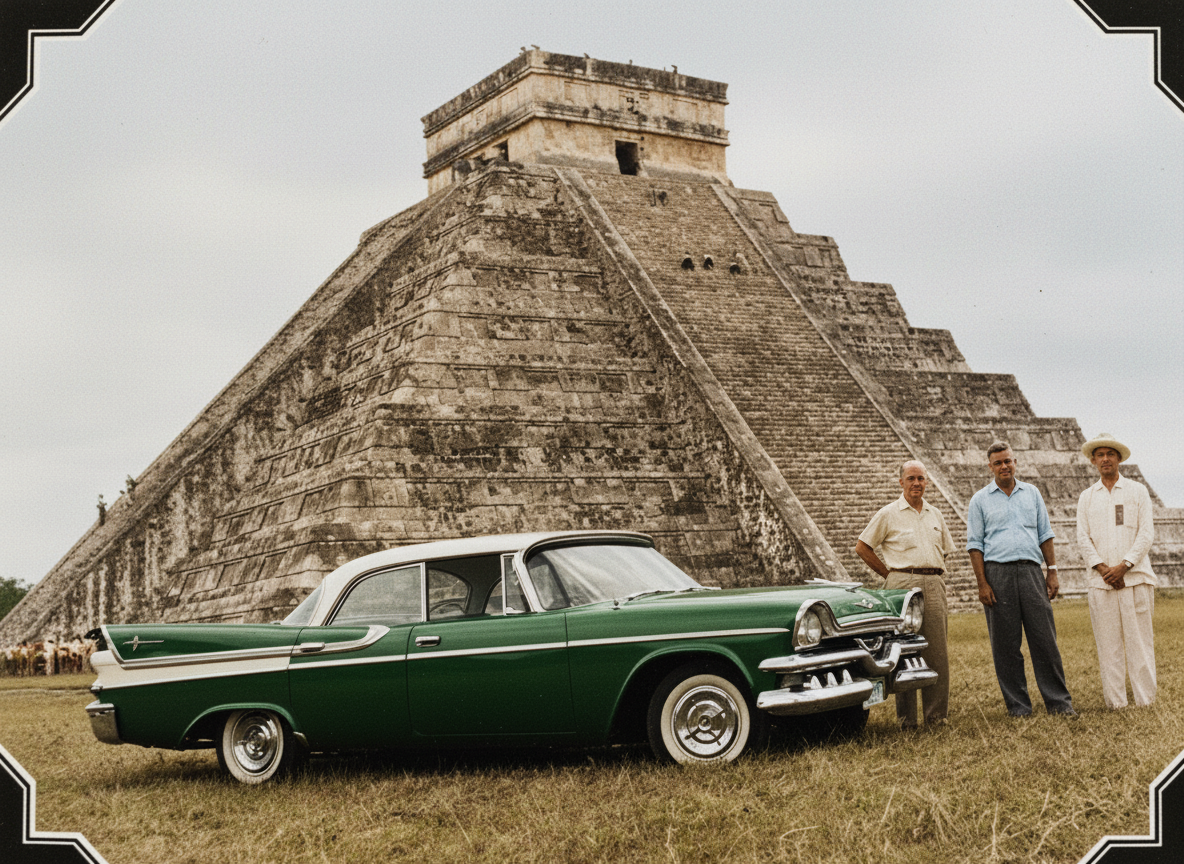
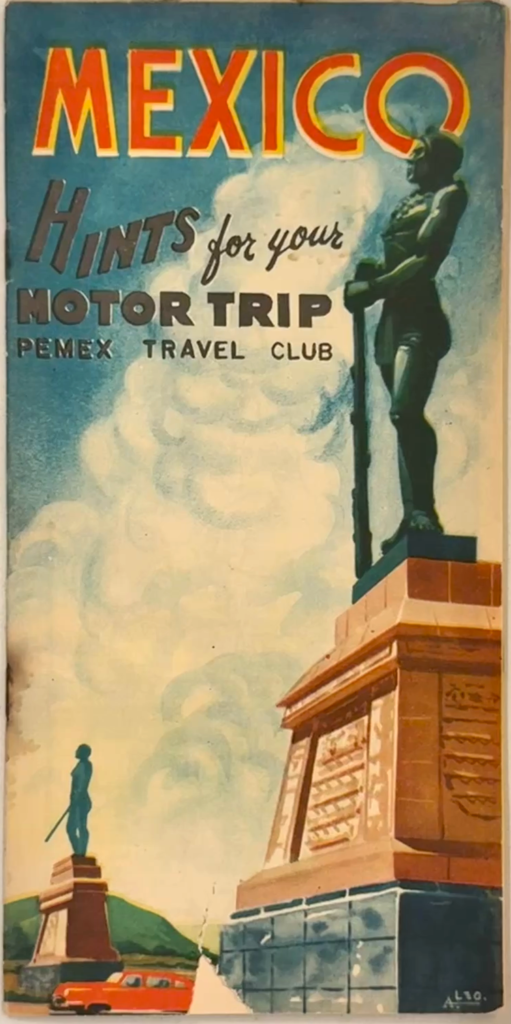
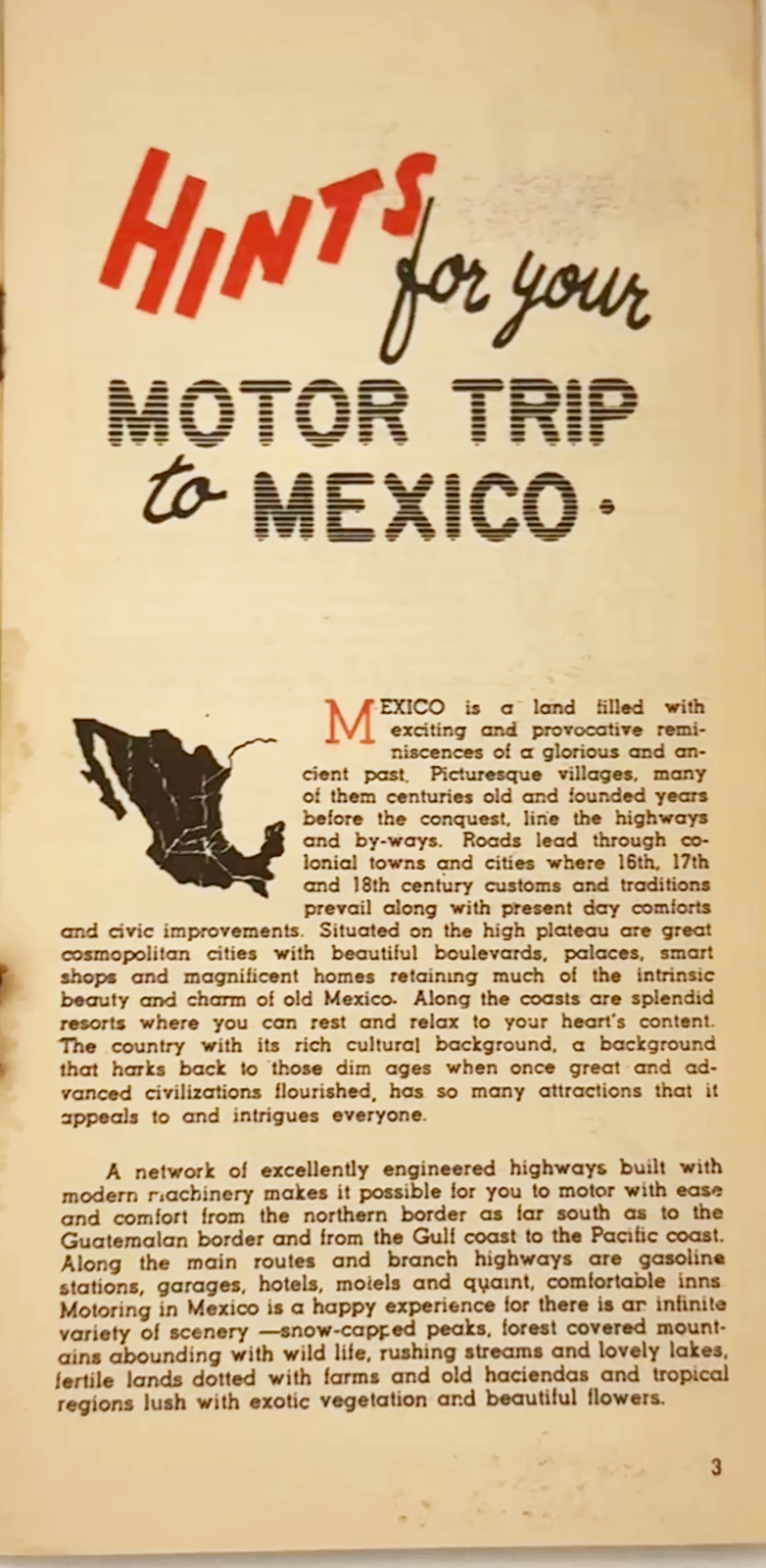
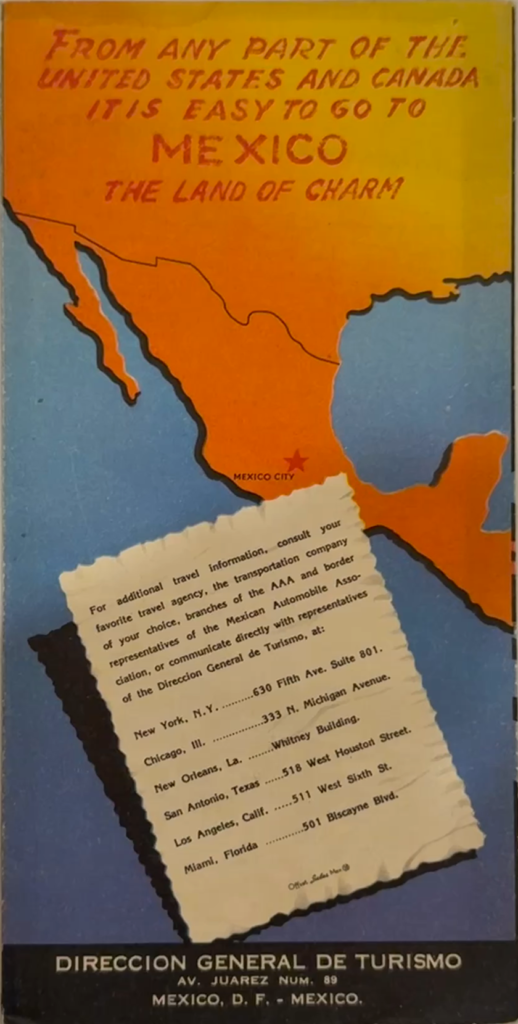
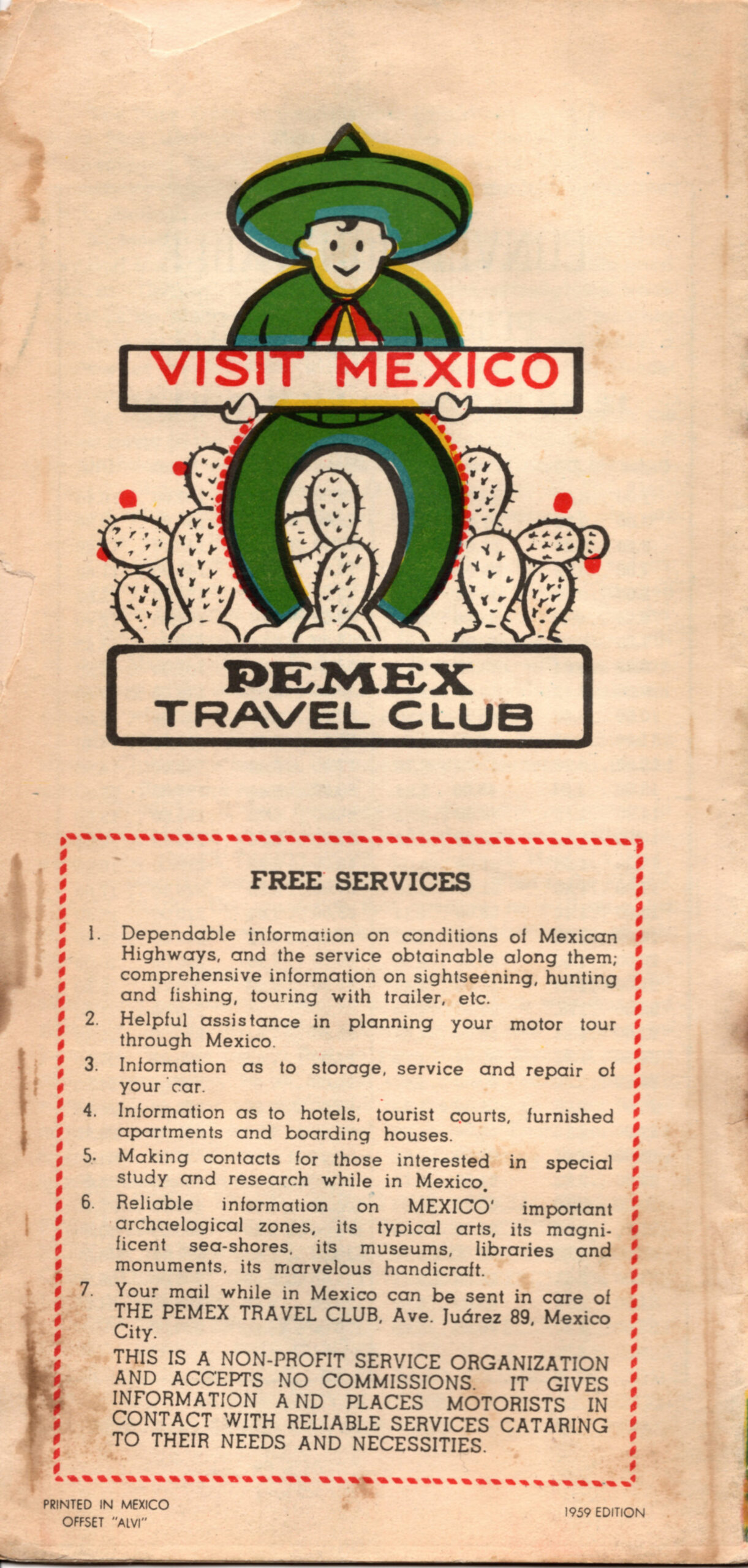
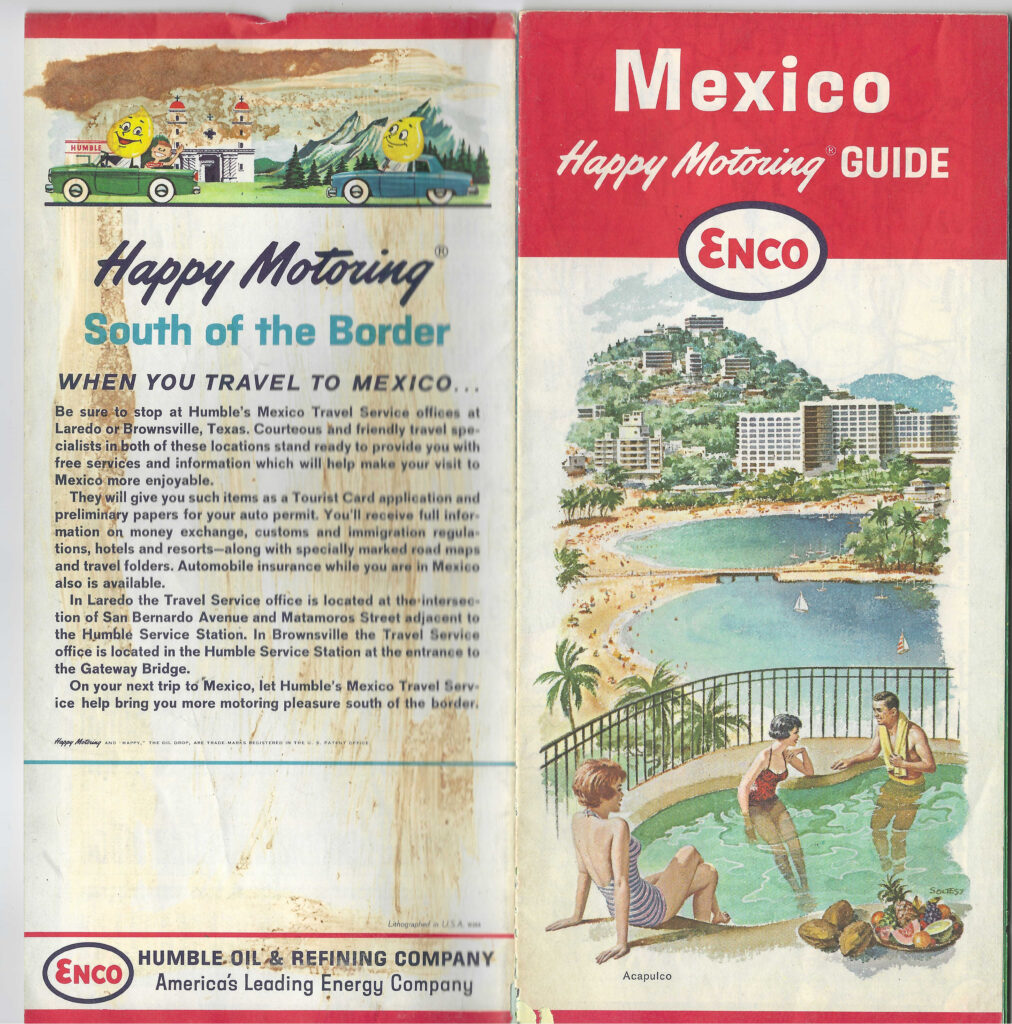
“In August 1938, just two months after its founding, Pemex established a division within its Sales Department called the Pemex Travel Club, whose objective was to promote the Mexican tourism industry. This initiative was part of a strategy to counter the smear campaign and economic boycotts waged against Mexico by the oil companies expropriated by President Lázaro Cárdenas.
The expropriated oil magnates tried to dissuade Americans from visiting Mexico, warning them that they would find an unsafe, anti-American country with inadequate infrastructure. In response, Pemex Travel Club focused on disseminating tourism advertising in English to persuade citizens of the neighboring country to travel by car through Mexico and discover that it was a safe and highly attractive nation.
The success achieved by the Club was such that, in parallel with the oil work, Pemex continued working in favor of tourism until 1965, a period in which it became one of the greatest pillars to promote and consolidate the Mexican tourism industry.
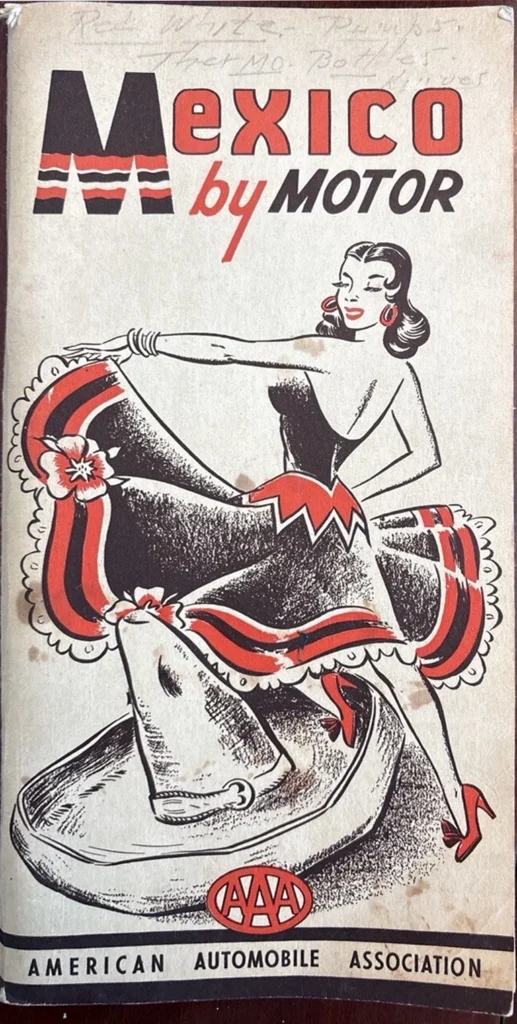
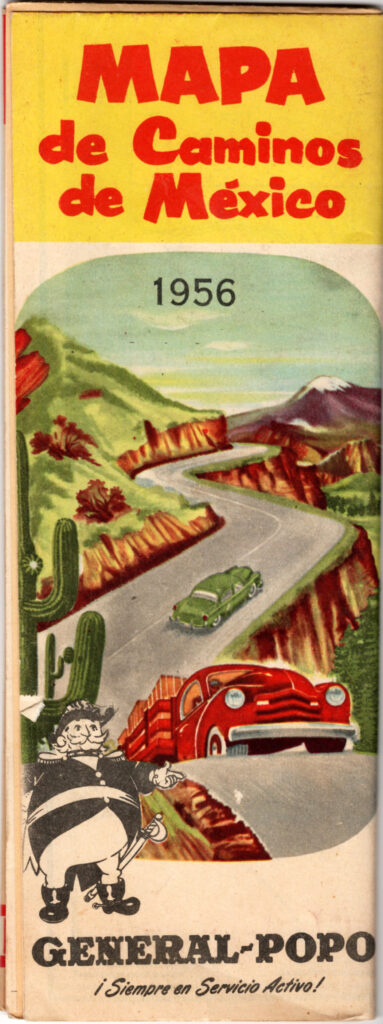
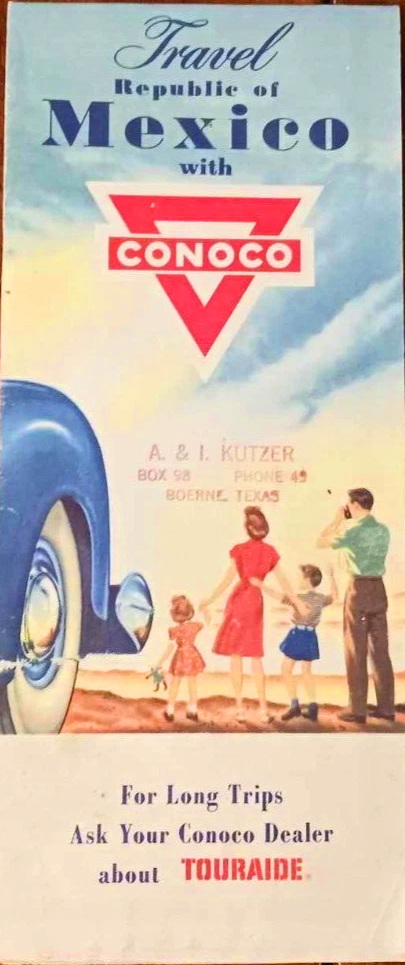
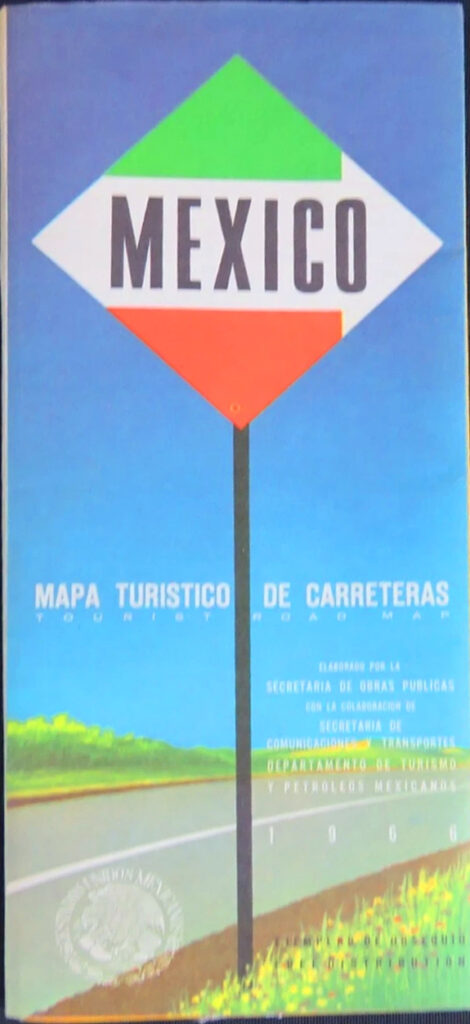
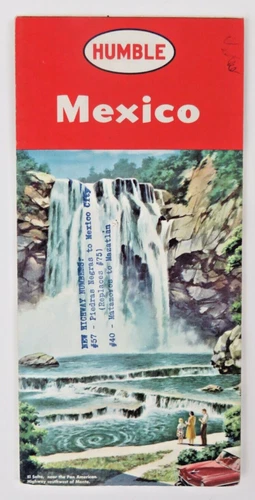
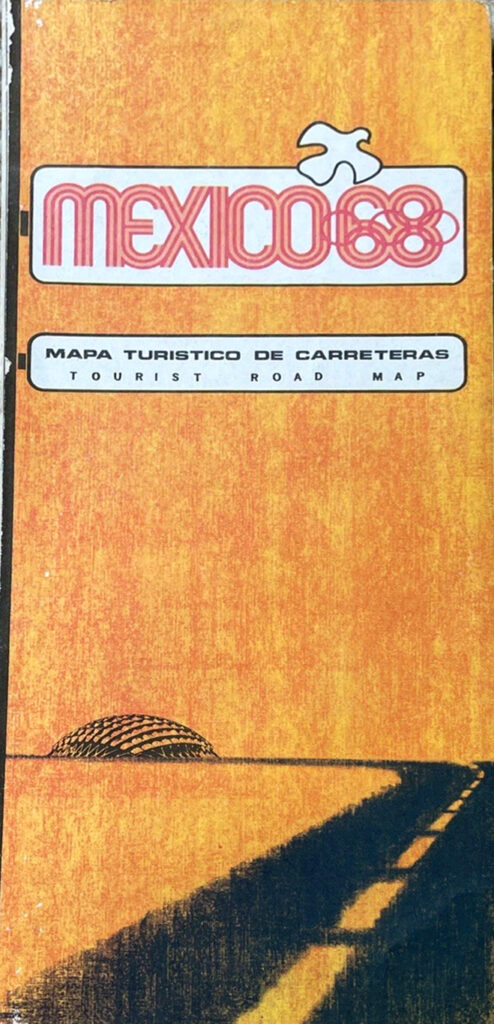
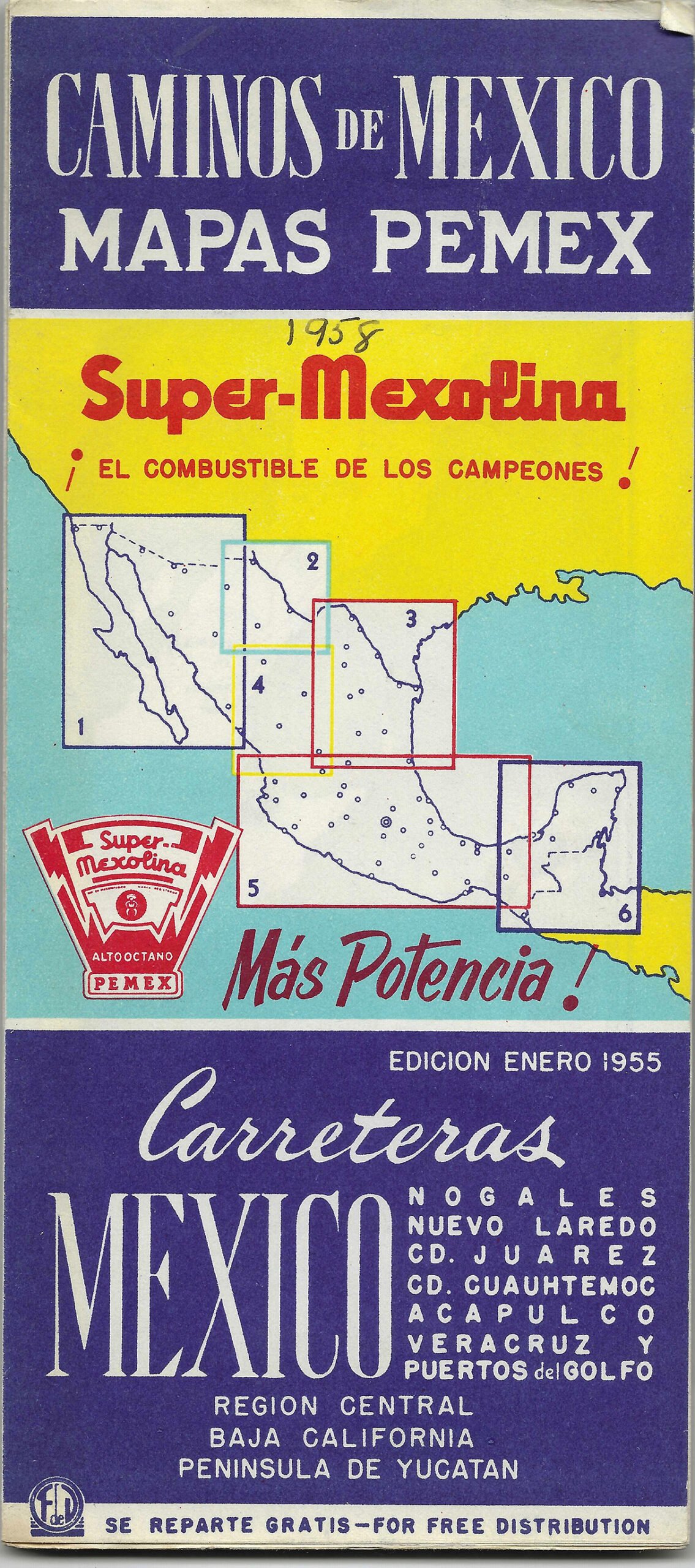
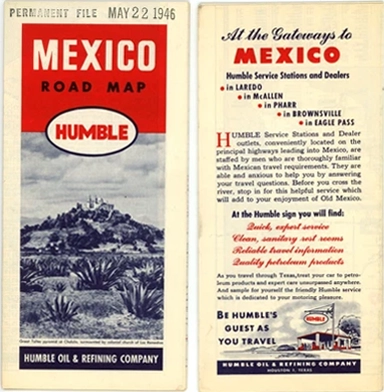
Pemex Travel Club published thousands of books, brochures, and road maps that were distributed free of charge to universities, hotels, and tourist camps throughout the United States. It also offered the American public the opportunity to become “members” of the Club, so they could receive this promotional material on an ongoing basis, free of charge, along with a car sticker featuring the Club’s logo, which consisted of the phrase ” Visit Mexico ” accompanied by the image of a charrito, which at that time represented the oil company’s institutional emblem.
Among the advertising disseminated by the Club, the Pemex Travel Club Bulletin stood out , the official organ of the agency that monthly published a variety of entertaining articles illustrated with photographs that promoted an idealized Mexico with enormous archaeological remains, beautiful colonial architecture and landscapes full of natural beauty and paradisiacal beaches.
In the late 1940s, the Club promoted the image of a Mexico that claimed to be modern and developed, yet simultaneously anchored in a noble and distant past, with an exotic element reflected in a population viewed through the lens of folklore and resembling a mosaic of “typical” regional characters, such as charros, Tehuanas, Jarochos, and Guares, whose lives revolved around dancing to guitar music and crafting artisanal goods. All of this was set against a tranquil rural backdrop.“
By Omar Fabián González Salinas
Relotos e Historia en Mexico.