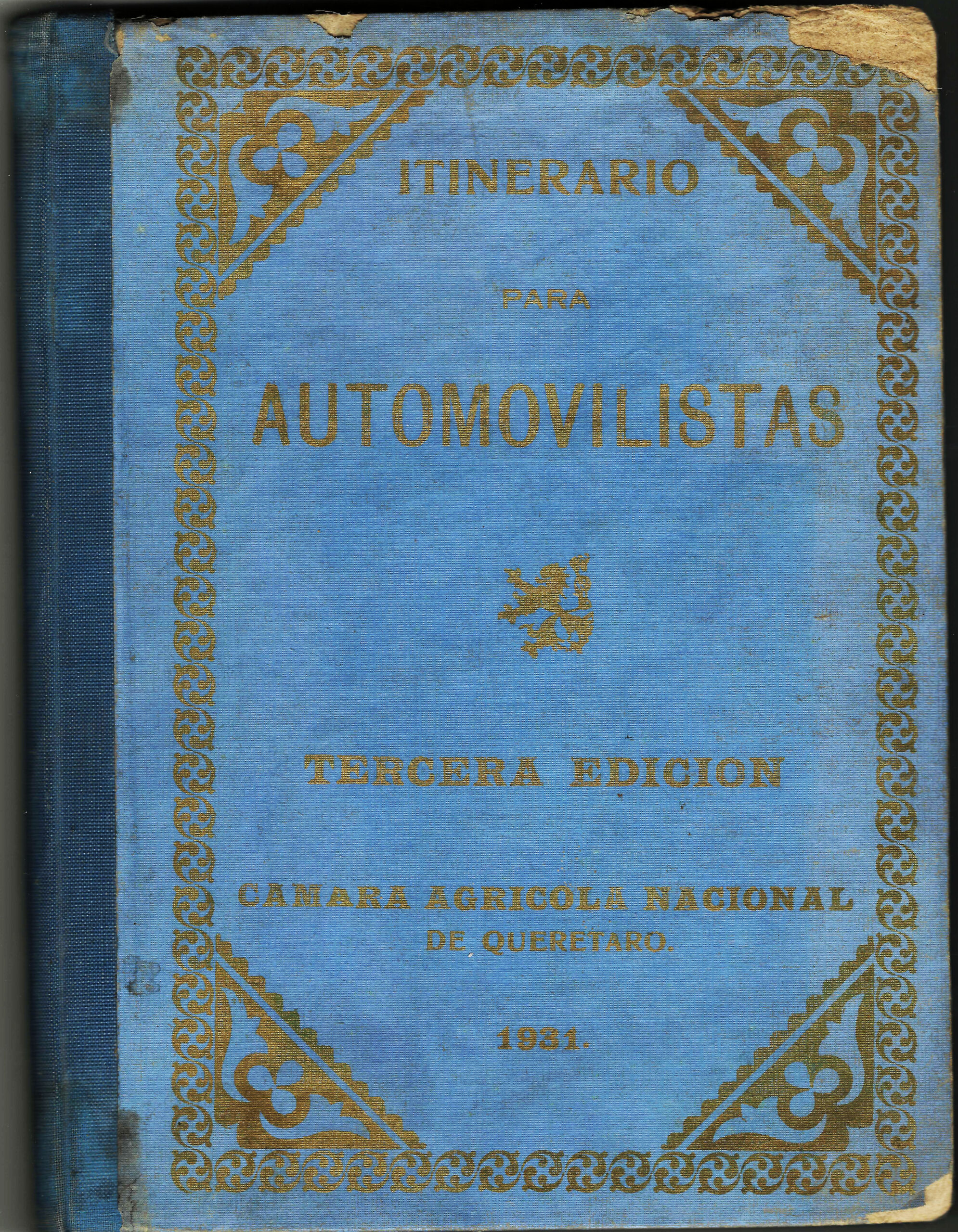
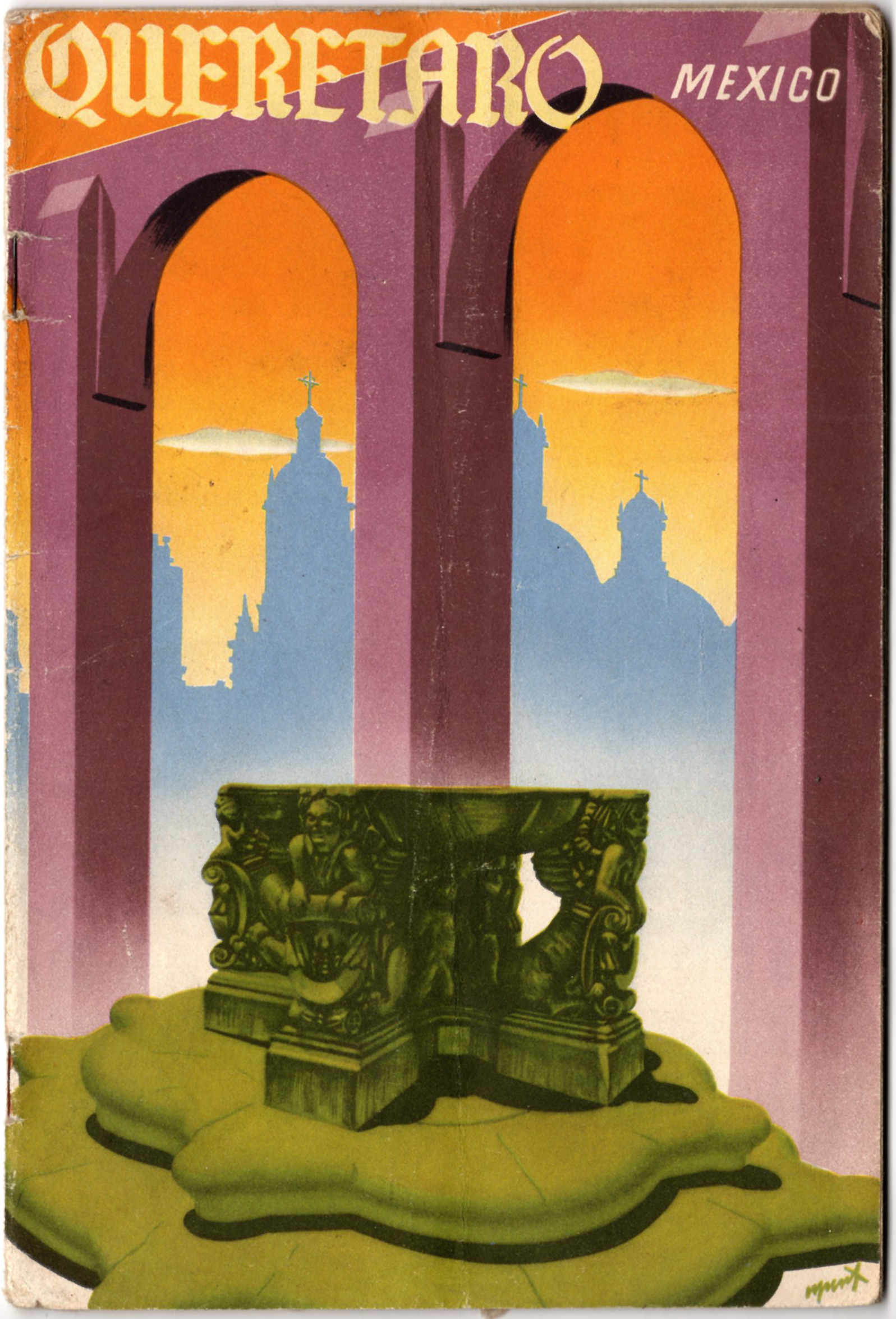
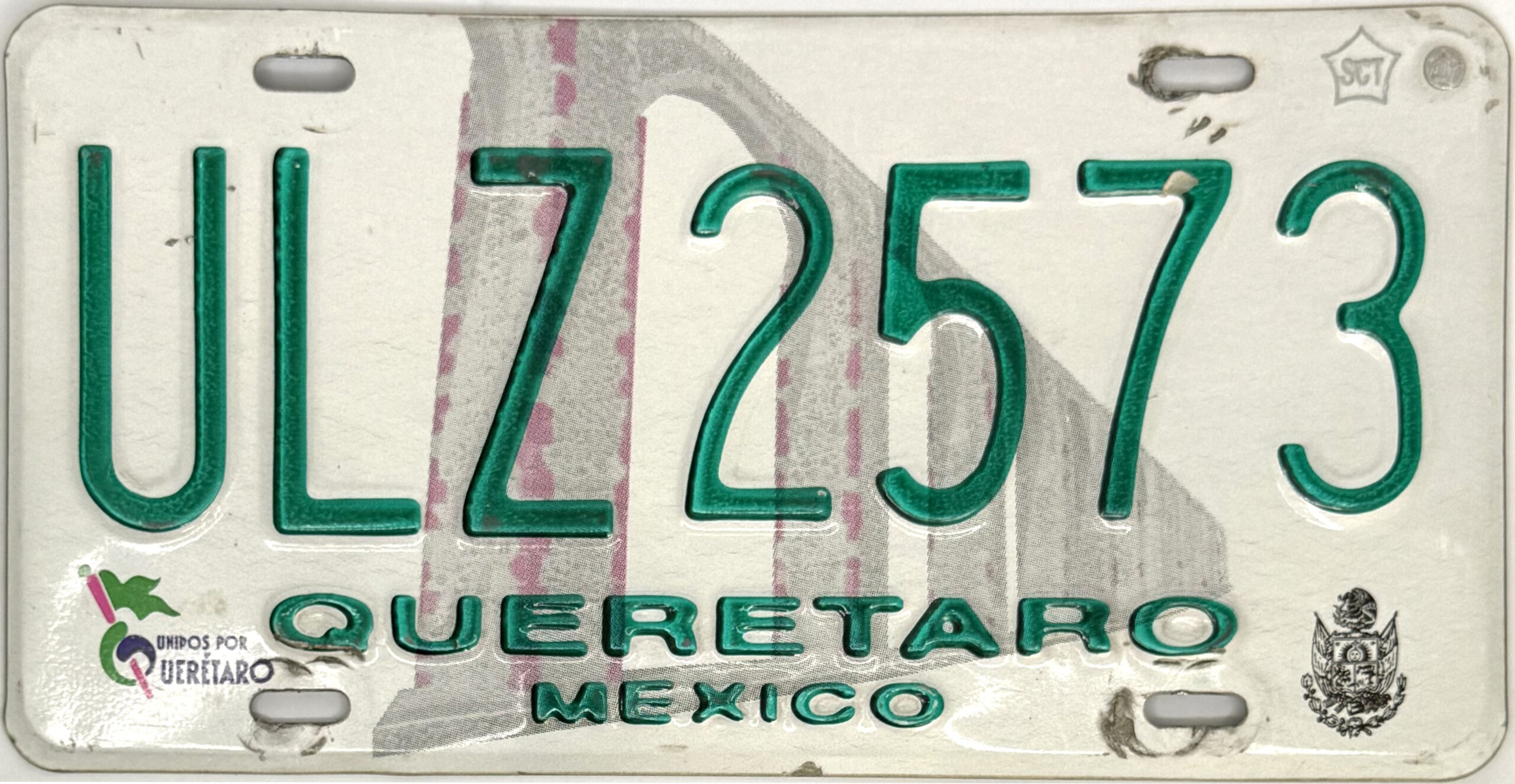
The 1931 Automobile Drivers Guide, published by the National Agricultural Chamber of Querétaro. The first edition was published in 1929. Inside, there’s a wealth of descriptions, data, and photographs to assist motorists in travelling in Querétaro and throughout Mexico. It’s a remarkable source of information on early motoring and registrations in Mexico.
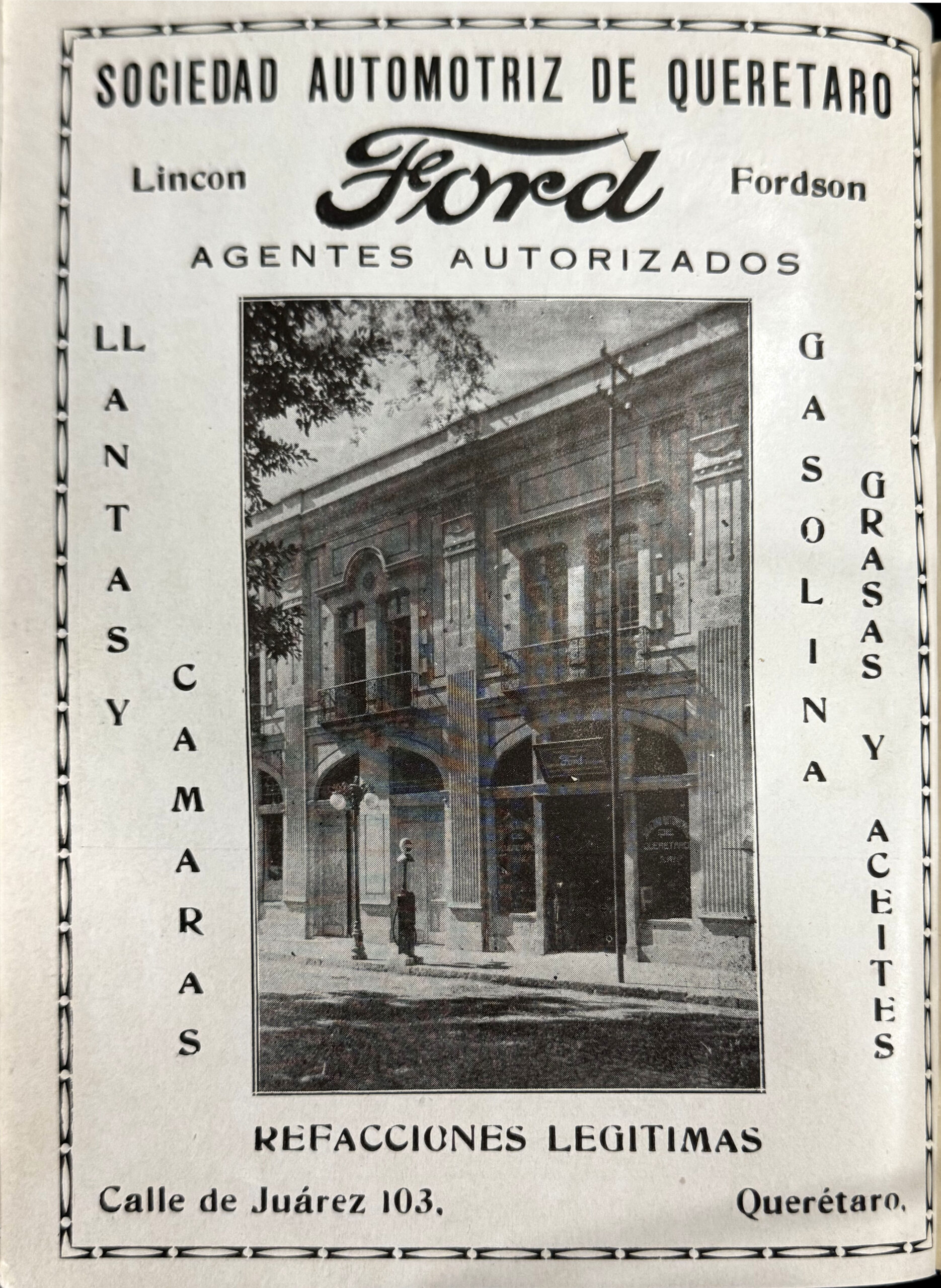
A 1931 Ford advertisement from the Sociedad Automotriz de Querétaro. There were the authorized agends for Ford and Lincoln motorcars and Fordson tractors. Ford was a driving force in Mexico at the time. FoMoCo had built its first plant in 1925 at San Lazaro in Mexico City. Initially 260 employees built five cars per day. Sociedad Automoriz de Querétaro sold genuine spare parts and other services, including tires, gasoline, grease and oil from their modern office on Calle de Juarez in Querétaro city, the capital of the state.
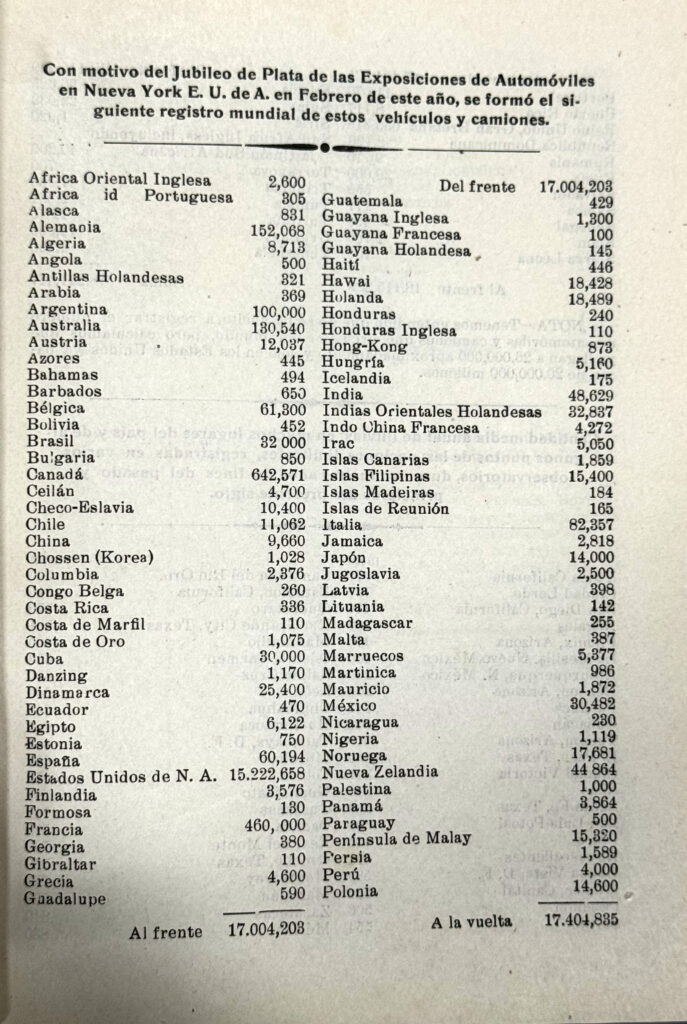
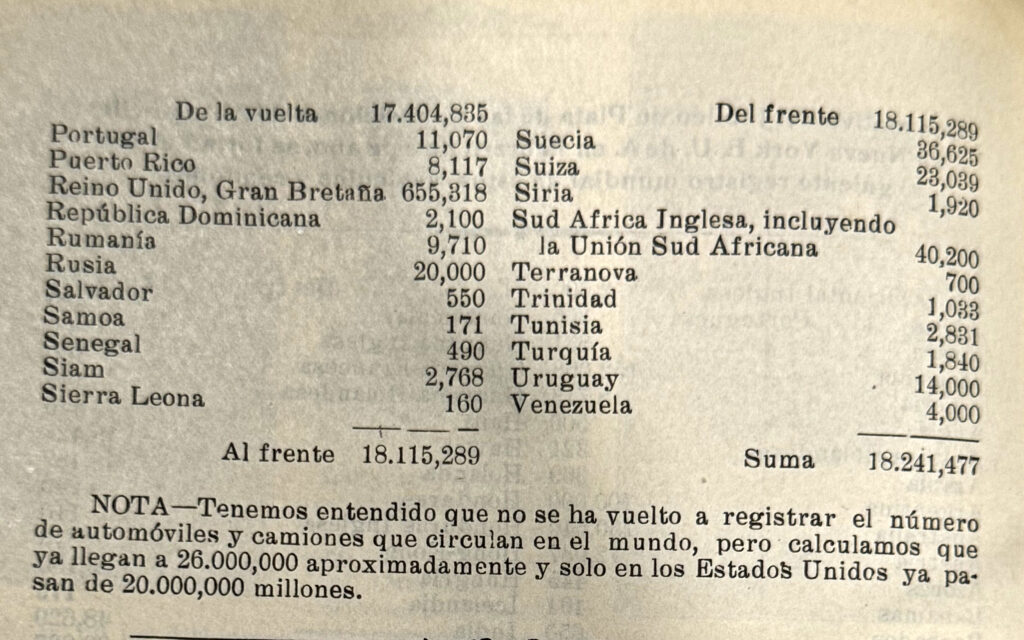
In 1931, the Querétaro “Intinerario Para Automovilistas” but includes a report on automobile registrations by country and territories around the world. To celebrate the Silver Jubilee of the National Automobile Show, held in New York in 1925. The registry reports 18,241,477 automobiles worldwide, with 83% in the United States.
The registry ranks the top countries as:
1 USA 15,222,658
2 United Kingdom 655,818
3. Canada 642,571
4. France 460,000
5. Germany 152,068
In 1925, the registry reports that Mexico ranked 16th in the world, with 30,482 cars and trucks in the country.
What’s fascinating and curious is understanding how the information was collected, which is not clear. With well established rail lines covering smaller areas perhaps explains why European numbers are not higher relative to their population in 1925. Canada’s #3 ranking is probably the most surprising ranking on the list. China and Russia had fewer automobiles listed in this registry than all of México.
On the other end, the French Guiana had the fewest cars of any jurisdiction in the world (though there were surely others with little or none). Gibraltar, British Honduras (now Belize), Cote d’Ivoire and Lithuania rounded out the Top 5 fewest registrations.
The Querétaro bridge, specifically the El Puente de la Historia, is a historic bridge in San Juan del Río, Querétaro. Built in the early 1700s, it marks the entrance to the Bajío region and was part of the Camino Real de Tierra Adentro trade route.
The bridge is now undergoing restoration to address significant structural damage exacerbated by vehicular traffic. The project has received approval from various federal authorities and aims to preserve one of the oldest and most important monuments in the country while providing a solution to San Juan del Río’s transportation problems.